How to Create High Engagement Quizzes in Blooket for Students
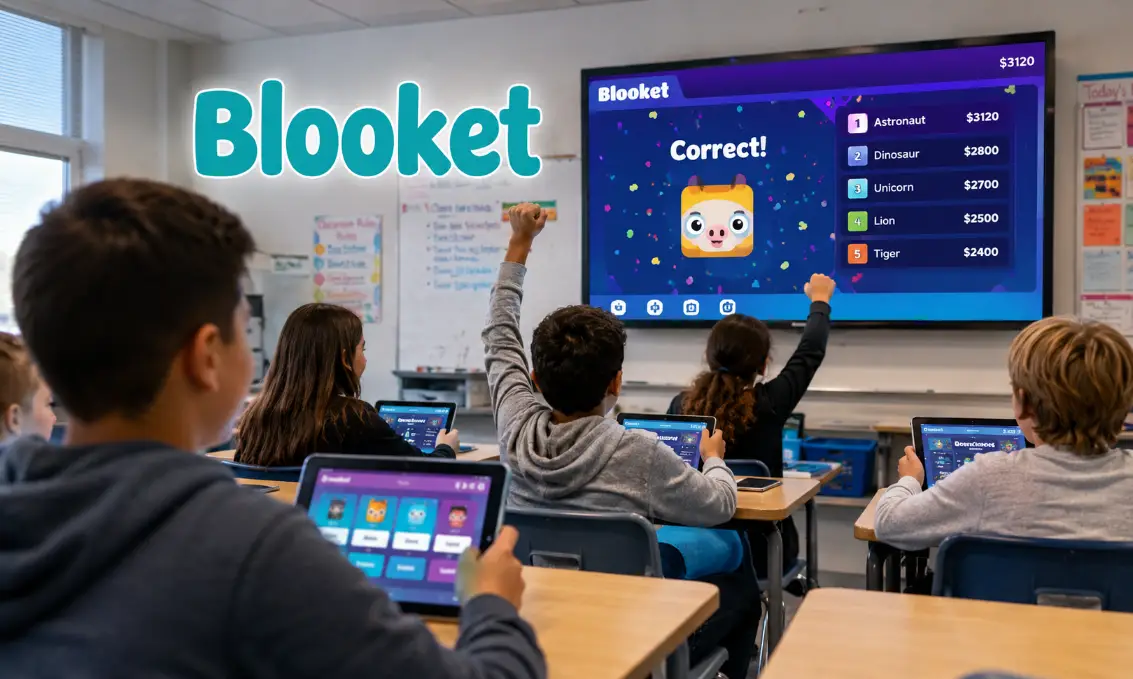
Creating engaging quizzes in Blooket can turn a normal classroom lesson into an exciting learning experience. Students enjoy friendly competition, colorful game modes, and quick rewards while teachers benefit from better participation and improved attention. A well-designed Blooket quiz keeps students active, focused, and motivated throughout the learning session without making lessons feel stressful or boring.
How to Create High Engagement Quizzes in Blooket for Students
Creating high-engagement quizzes in Blooket starts with understanding what students enjoy while learning. Students respond better to quizzes that feel interactive, rewarding, and easy to follow. Instead of only testing knowledge, your quiz should make students curious and excited to continue playing.
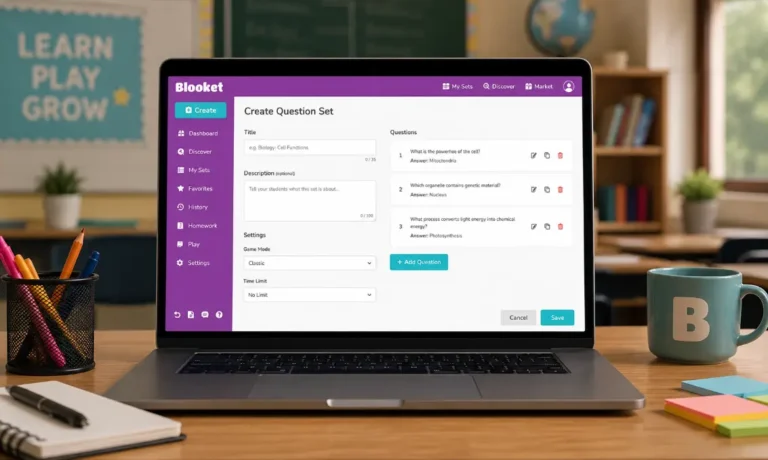
Start by choosing a topic that matches your lesson goals. Keep questions short, clear, and simple to understand. Avoid long paragraphs because students may lose focus quickly during fast-paced games. Use a mix of question styles such as true or false, multiple choice, and image-based questions to make gameplay more dynamic.
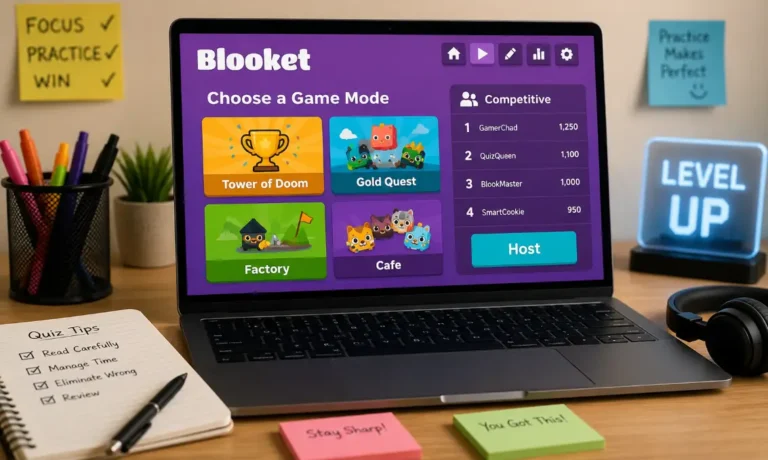
Another important step is selecting the right Blooket game mode. Different game modes create different classroom experiences. Some modes encourage teamwork while others focus on individual competition. Rotate game modes regularly so students do not get bored with repetition.
Adding rewards and positive feedback also improves engagement. Students feel motivated when they see progress, unlock achievements, or climb the leaderboard. Celebrate effort instead of only rewarding top scores to keep all learners involved.
Finally, test your quiz before using it in class. Make sure all questions load correctly and answers are accurate. A smooth game experience helps students stay focused on learning instead of dealing with confusion or technical issues.
Understand What Students Enjoy
Student engagement increases when quizzes match their interests and energy levels. Before creating your Blooket set, think about the age group and learning style of your students.
Use Topics Students Recognize
Students participate more when quizzes connect with familiar ideas. You can include examples from movies, sports, technology, or popular culture while still teaching educational content.
For example, a math quiz can include questions related to football scores or gaming points. This makes learning feel more personal and enjoyable.
Keep the Difficulty Balanced
A quiz that is too easy becomes boring, while a quiz that is too difficult may frustrate students. Mix simple, medium, and challenging questions together to maintain excitement and confidence.
Balanced quizzes encourage students to keep trying even after making mistakes.
Write Questions That Keep Attention
The quality of your questions plays a huge role in engagement. Strong questions are easy to read, quick to answer, and interesting to think about.
Make Questions Short and Clear
Students lose focus when questions are too long. Use direct language and avoid unnecessary details. Clear wording helps students answer faster and keeps the game moving smoothly.
Instead of writing complicated instructions, focus on one idea per question.
Add Images and Visual Elements
Visual content improves memory and excitement. Blooket allows teachers to add images that make quizzes more interactive.
Images are especially useful for younger students, language learners, and visual learners. You can include maps, diagrams, historical photos, or science illustrations to support learning.
Use Humor Carefully
Funny answer choices or playful questions can make students laugh and stay engaged. However, humor should never distract from the lesson objective.
A small amount of fun can make the quiz feel less stressful and more enjoyable.
Choose the Best Game Modes
Different Blooket modes create different classroom experiences. Choosing the right mode helps maintain energy and participation.
Competitive Modes for Motivation
Competitive modes are perfect for increasing excitement in the classroom. Students often enjoy racing to the top of the leaderboard and earning rewards.
These modes work well during review sessions or before exams because they encourage quick thinking and active participation.
Team Modes for Collaboration
Team-based modes encourage communication and cooperation among students. These modes help shy students feel more comfortable because they work with classmates instead of competing alone.
Team activities also improve classroom relationships and social learning skills.
Rotate Modes Frequently
Using the same mode every week can reduce excitement over time. Rotating between different game styles keeps students curious and prevents boredom.
Changing game modes also allows different students to succeed in different ways.
Improve Participation During the Quiz
Even a well-designed quiz can lose engagement if students become distracted. Teachers should actively guide the experience during gameplay.
Encourage Friendly Competition
Competition can increase motivation when it remains positive. Avoid creating pressure that makes struggling students feel embarrassed.
Celebrate improvement, teamwork, and effort rather than only focusing on winners.
Use Music and Classroom Energy
Background music and energetic classroom interaction can make Blooket sessions more exciting. Encourage cheering, discussion, and classroom participation while maintaining order.
A lively environment keeps students emotionally connected to the activity.
Give Quick Feedback
Students learn better when they understand mistakes immediately. After difficult questions, pause briefly and explain the correct answer.
This turns the game into a learning opportunity instead of only a competition.
Create Quizzes for Different Subjects
Blooket works well across many subjects and grade levels. Adapting quiz styles for each subject improves learning effectiveness.
Science Quizzes
Science quizzes become more engaging when they include experiments, images, and real-world examples. Students enjoy identifying animals, planets, or chemical reactions through visual clues.
Interactive science quizzes encourage curiosity and observation.
Math Quizzes
Math quizzes should focus on speed, accuracy, and problem-solving. Short calculations and practical examples work best during gameplay.
Using real-life scenarios makes math questions more meaningful for students.
Language and Grammar Quizzes
Language quizzes can include vocabulary games, spelling challenges, and sentence correction activities. Reading-based questions improve comprehension and language confidence.
Students often enjoy matching words with pictures or completing missing phrases.
Use Rewards to Increase Motivation
Rewards can encourage stronger participation and better focus during quizzes. Students feel more excited when they know their effort will be recognized.
Offer Small Classroom Rewards
Simple rewards like stickers, homework passes, or extra points can motivate students without creating unhealthy competition.
Even verbal praise can increase student confidence and participation.
Recognize Different Achievements
Do not only reward the highest score. Celebrate categories such as most improved student, fastest learner, or best teamwork.
This helps all students feel valued and included.
Analyze Quiz Performance
After the game ends, review the results carefully. Performance data helps teachers improve future quizzes and identify learning gaps.
Identify Weak Areas
If many students miss the same question, it may indicate confusion about that topic. Teachers can revisit those lessons and provide extra explanation.
Quiz reports help make future teaching more effective.
Improve Future Quizzes
Use student feedback to improve your quiz design. Notice which questions created excitement and which ones slowed the game down.
Continuous improvement keeps quizzes fresh and engaging.
Common Mistakes to Avoid
Some quiz habits reduce engagement and make students lose interest quickly.
Too Many Questions
Long quizzes can exhaust students. Keep sessions short enough to maintain energy and focus.
Most students respond better to shorter, high-quality quizzes.
Repeating the Same Question Style
Using only one question format can become predictable. Variety keeps gameplay interesting and mentally stimulating.
Ignoring Student Feedback
Students often provide valuable suggestions about game modes and quiz difficulty. Listening to feedback helps create a better classroom experience.
Frequently Asked Questions
How often should teachers use Blooket in class?
Using Blooket once or twice a week usually keeps students excited without making the activity repetitive.
Can Blooket quizzes help shy students participate?
Yes, game-based learning often makes shy students feel more comfortable joining classroom activities.
What is the ideal quiz length for students?
Most engaging Blooket quizzes contain around 10 to 20 questions depending on the grade level.
Do images improve quiz performance in Blooket?
Yes, visuals help students understand questions faster and improve memory retention.
Can Blooket be used for homework assignments?
Yes, teachers can assign quizzes for independent practice outside the classroom.
Final Verdict
High-engagement Blooket quizzes combine fun, learning, creativity, and student interaction in one powerful classroom activity. Teachers who use clear questions, exciting game modes, balanced difficulty, and positive encouragement can create memorable learning experiences. When students enjoy the process, they participate more actively, retain information better, and develop a stronger interest in classroom learning every day.