Comparison Between Blooket and Kahoot! for Classroom Engagement
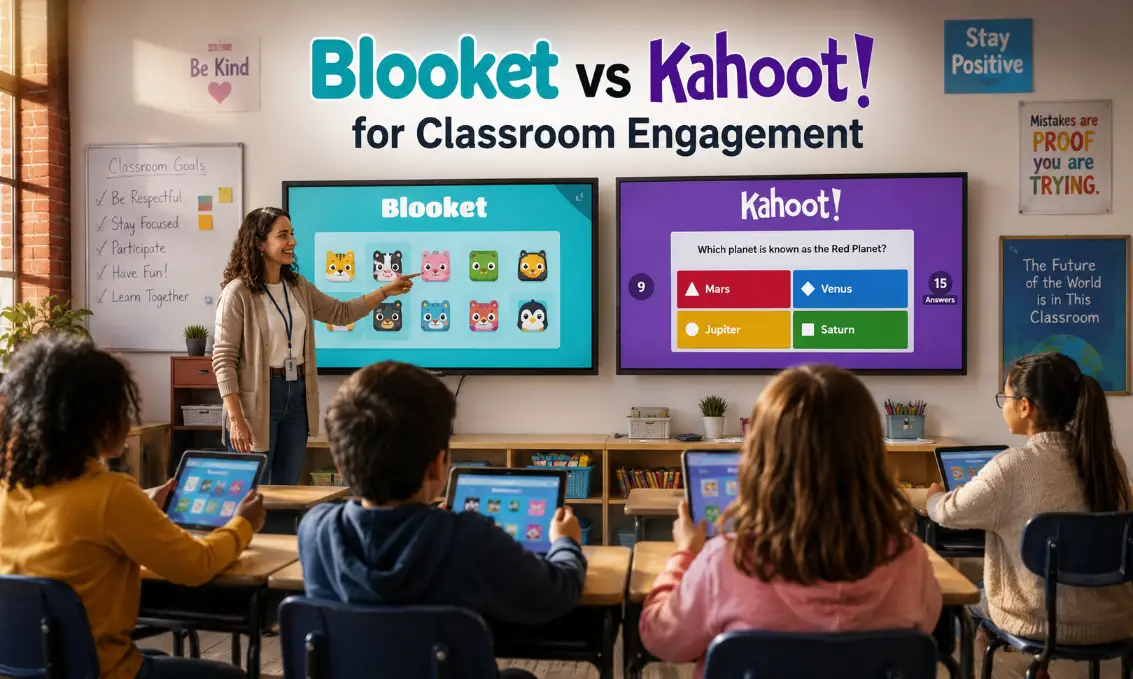
Game-based learning has changed the way teachers keep students active in class. Two of the most popular tools are Blooket and Kahoot!. Both platforms turn quizzes into fun classroom activities, but they offer different experiences for teachers and students. Understanding their strengths can help educators choose the best platform for classroom engagement.
Comparison Between Blooket and Kahoot! for Classroom Engagement
Teachers often struggle to keep students focused during lessons. Traditional quizzes may feel boring, especially for younger learners. Both Blooket and Kahoot! solve this problem by adding games, competition, and rewards to classroom learning.
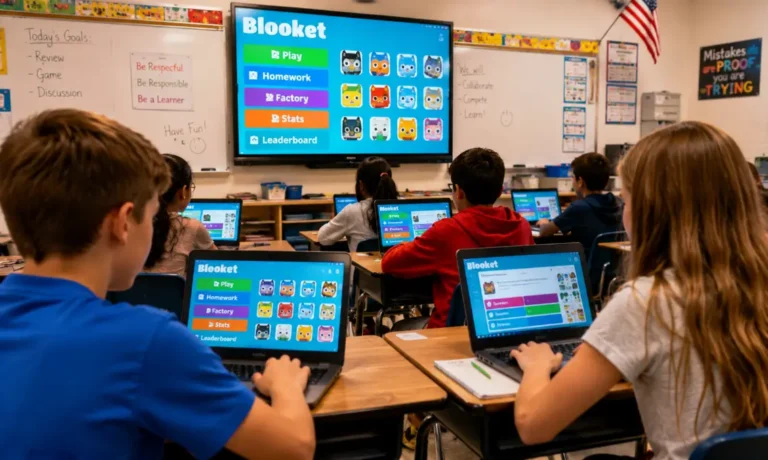
Blooket focuses heavily on game modes. Students answer questions while playing interactive games with different themes and challenges. This keeps learners excited because every game feels unique. Students usually stay engaged longer because the learning feels like entertainment.
Kahoot! focuses more on live quiz competitions. It creates fast-paced classroom excitement where students compete in real time. The colorful interface, music, and countdown timers make lessons energetic and interactive.
If teachers want more variety and game-based learning, Blooket is often the better option. If they prefer structured quizzes with quick classroom participation, Kahoot! works extremely well.
What Makes Blooket Different?
Multiple Game Modes
One of the biggest strengths of Blooket is its large collection of game modes. Teachers can use the same question set in different styles of games. This prevents students from becoming bored with repeated activities.
Popular game modes include:
- Gold Quest
- Tower Defense
- Factory
- Crypto Hack
- Battle Royale
Each mode changes how students interact with questions, which increases excitement and replay value.
Self-Paced Learning
Blooket allows students to learn at their own speed. This is useful for homework, revision, and independent practice. Faster students can continue progressing while slower students avoid feeling pressured.
Student Motivation Through Rewards
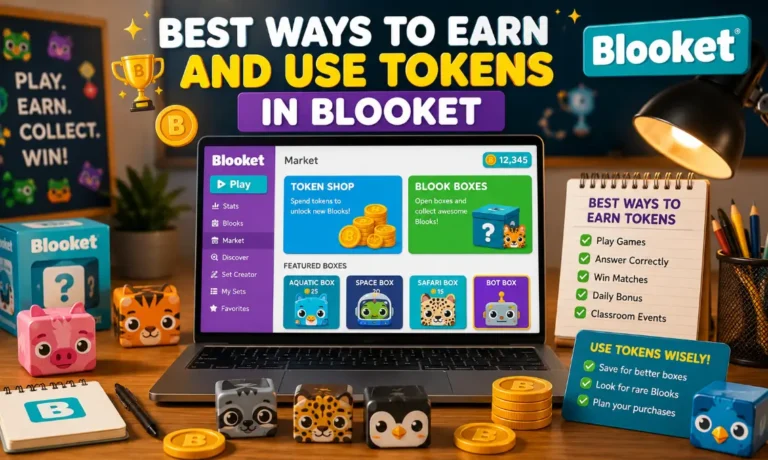
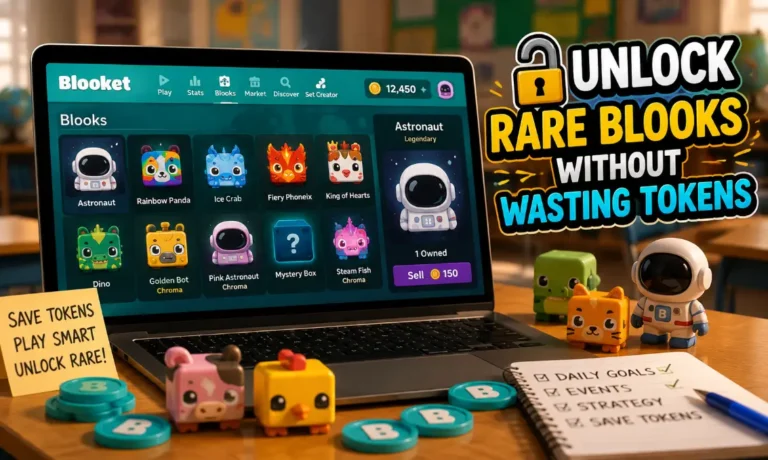
Students earn coins, unlock characters, and collect rare “Blooks.” These reward systems make learners feel motivated to participate more often.
What Makes Kahoot! Different?
Easy Classroom Setup
Kahoot! is known for its simplicity. Teachers can create quizzes quickly and launch them within minutes. Students only need a game code to join.
This ease of use makes Kahoot! very popular among teachers who want quick classroom activities without spending too much preparation time.
Strong Live Competition
Kahoot! creates a lively classroom atmosphere with:
- Real-time scoreboards
- Music and sound effects
- Timed questions
- Instant rankings
Students enjoy competing against classmates, which increases energy levels during lessons.
Better Presentation Style
Kahoot! presents questions in a clean and organized format. Teachers can display images, videos, and diagrams easily, making it useful for presentations and group discussions.
Classroom Engagement: Which Platform Performs Better?
Engagement in Younger Students
Younger students often prefer Blooket because of its playful design and game mechanics. The cartoon-style visuals and unlockable rewards create a gaming experience similar to popular mobile games.
Kahoot! also works well for younger students, but its structure feels more like a quiz competition than a full game.
Engagement in Older Students
Older students may enjoy Kahoot! because it feels competitive and fast-paced. High school and college learners often appreciate direct quiz battles and leaderboard rankings.
However, many older students still enjoy Blooket because its strategy-based game modes add variety.
Long-Term Interest
Blooket usually performs better for long-term engagement because the platform constantly feels fresh. Using different game modes prevents repetition.
Kahoot! can sometimes feel repetitive if teachers use the same quiz style frequently.
Teacher Experience and Control
Quiz Creation Tools
Both platforms allow teachers to:
- Create custom quizzes
- Import question sets
- Use existing public quizzes
- Add images and media
Kahoot! offers a slightly smoother quiz-building experience for beginners, while Blooket provides more gameplay customization.
Classroom Management
Kahoot! gives teachers stronger live-session control. Teachers can:
- Pause games
- Discuss answers
- Review class performance
- Control pacing
Blooket focuses more on student independence and continuous gameplay.
Homework Features
Both platforms support homework assignments. However, Blooket often feels more enjoyable for homework because students experience it like a game instead of extra schoolwork.
Learning Effectiveness
Knowledge Retention
Blooket improves retention through repeated gameplay. Students answer questions multiple times while staying entertained.
Kahoot! improves retention through fast recall and repetition under time pressure. This can help students improve memory speed and confidence.
Focus and Attention
Blooket keeps attention longer because students remain curious about gameplay outcomes.
Kahoot! keeps attention high during short sessions due to competition and excitement.
Collaborative Learning
Kahoot! supports classroom discussion very well. Teachers can pause after questions to explain answers.
Blooket works better for individual engagement and self-directed learning.
Pricing and Accessibility
Free Features
Both platforms offer free plans with useful features.
Blooket’s free version includes several entertaining game modes, which many teachers find sufficient for daily classroom use.
Kahoot!’s free version is strong for live quizzes but locks some advanced features behind paid plans.
Paid Plans
Paid subscriptions on both platforms unlock:
- Advanced reports
- Additional game options
- Enhanced customization
- More participant features
Teachers should compare pricing based on classroom size and teaching needs.
Best Situations for Using Blooket
Independent Practice Sessions
Blooket works perfectly when students need practice without constant teacher instruction.
Homework and Revision
Students are more likely to complete homework when it feels like a game.
Long Learning Sessions
The variety of game modes helps maintain student attention over longer periods.
Best Situations for Using Kahoot!
Live Classroom Competitions
Kahoot! creates instant classroom excitement during group lessons.
Quick Reviews Before Tests
Teachers can quickly test student understanding before exams.
Group Discussions
Kahoot! encourages class interaction because teachers can review answers together.
Which Platform Is Easier for Students?
Most students learn both platforms quickly. Kahoot! has a simpler interface, making it slightly easier for first-time users.
Blooket may require a few extra minutes to understand certain game modes, but students usually adapt very quickly because the gameplay feels familiar.
Can Teachers Use Both Together?
Many teachers combine both platforms instead of choosing only one.
A common strategy is:
- Use Kahoot! for live lesson reviews
- Use Blooket for homework and revision
This combination gives students both competition and long-term engagement.
Common Challenges With Both Platforms
Internet Dependence
Both platforms require stable internet connections. Weak connections can interrupt gameplay and reduce participation.
Student Distraction
Some students may focus more on winning than learning. Teachers should balance fun with educational goals.
Device Availability
Schools need enough devices for students to participate comfortably.
Tips for Improving Engagement With Either Platform
Use Short Quiz Sessions
Students stay more focused during shorter activities.
Mix Different Question Types
Adding images, true/false questions, and puzzles keeps quizzes interesting.
Reward Participation
Encouraging effort instead of only rewarding winners improves classroom morale.
Rotate Activities
Switching between Blooket and Kahoot! prevents learning fatigue.
FAQs
Which platform is better for homework assignments?
Blooket is usually better for homework because its game modes feel more entertaining.
Can students play Blooket alone?
Yes, students can play many Blooket activities independently.
Does Kahoot! support team-based games?
Yes, Kahoot! includes team modes for collaborative classroom activities.
Which platform is more beginner-friendly for teachers?
Kahoot! is generally easier for new teachers to set up quickly.
Can both platforms be used on mobile devices?
Yes, both Blooket and Kahoot! work on phones, tablets, and computers.
Final Verdict
Blooket and Kahoot! both improve classroom engagement, but they serve slightly different teaching styles. Blooket offers deeper game-based experiences that maintain long-term student interest, while Kahoot! delivers fast-paced live competition that energizes classrooms instantly. Teachers who combine both platforms often create the most balanced and enjoyable learning environment for students of all ages.